
Asking for help as a firefighter, police officer, paramedic, or dispatcher means weighing it against fitness-for-duty concerns, department culture, or the worry that asking for help signals weakness instead of strength. That calculation keeps many first responders from ever picking up the phone. At Clarity Healthcare, we built our program to remove that barrier, offering confidential, virtual behavioral health treatment for first responders in Washington State. You don’t need to choose between your career and your well-being. Reaching out remains a private, practical step toward feeling steady again, on your terms and your schedule.
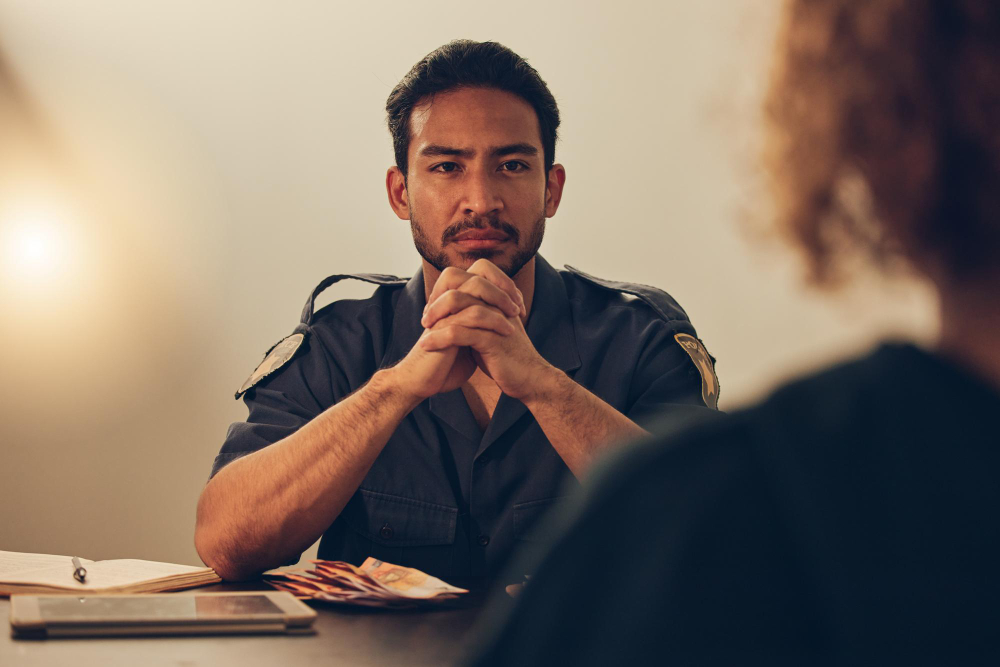
The Realities of Chronic Stress and Trauma in First Responder Work
First responders in Washington, including firefighters, law enforcement, EMTs, paramedics, dispatchers, and corrections officers, face cumulative trauma that most jobs never require. Each shift can bring critical incident stress, long hours, unpredictable calls, and decisions made in seconds. Over time, this can lead to compassion fatigue or exhaustion. HHS estimates that up to 30% of first responders develop conditions like depression or PTSD, compared to about 20% of the general population. These are not signs of weakness. They result from doing this work day after day.
When Stress Turns Into Anxiety, Depression, PTSD, or Substance Use
That chronic occupational stress can develop into diagnosable conditions: anxiety, depression, PTSD, or substance use disorder. These conditions frequently occur together rather than in isolation, and co-occurring disorders, sometimes called dual diagnosis, are common among people who’ve spent years absorbing trauma exposure on the job. One does not cause the other; they tend to surface side by side, formed by the same underlying stress.
Recognizing that risk early, and having somewhere to bring it, is what our behavioral health treatment for first responders in Washington State is built to do.
Why Asking for Help Can Feel Complicated
Wanting support and feeling ready to ask for it aren’t always the same thing when your career, reputation, and peer culture are on the line. Stigma inside firehouses, precincts, and dispatch centers is real, and so is the fear that seeking care could affect fitness-for-duty status or trigger automatic department notification.
Resources for public safety professionals document these barriers directly: stigma, confidentiality issues, and fear of career consequences remain among the most significant reasons police, fire, EMS, and corrections personnel delay or avoid behavioral health support. For people in these professions, confidentiality can be the deciding factor in whether they reach out.
How Clarity Healthcare Supports First Responders Across Washington State
Clarity Healthcare provides virtual behavioral health treatment for first responders in Washington State, delivered by Washington-licensed clinicians who understand shift work, on-call schedules, and what’s professionally at stake in getting care. Virtual care is our primary model, built to make individualized, confidential support available whether you’re working a rotating shift in Spokane or covering nights at a dispatch center in Walla Walla.
Who We Serve
Our program serves first responders across every discipline represented in Washington’s public safety workforce:
- Firefighters
- Law enforcement officers
- EMTs and paramedics
- Dispatchers and 911 telecommunicators
- Corrections officers
Confidential, Individualized Care Built Around Your Job
Confidentiality is central to how we operate. Your records are protected, and nothing about your participation is automatically reported to your department. This addresses the fitness-for-duty concerns many first responders bring to their first conversation with us. Virtual therapy gives you a private way to start care, whether from home or your car during a break. You will work with a Washington-licensed, trauma-informed clinician who understands the pressures of your schedule and your field.
Finding the Virtual Program That Fits Where You Are
Care intensity matches what you need. Some people need a few hours a week. Others need a full structured clinical day. We adjust as your circumstances change.
Comprehensive Assessment and Customized Planning
Every plan starts with a full assessment and a clinical conversation covering your history, current symptoms, work schedule, and what has helped before. Your clinician uses that to build a plan specific to your circumstances and adjusts it as things change.
Virtual PHP and Virtual IOP
Virtual PHP offers full clinical days, with several hours of therapy and group work most days. Evenings are spent at home. Virtual IOP is lighter, with fewer weekly hours, for people ready to spend more time at work or with family. Both options provide behavioral health treatment for first responders in Washington State without pulling you away from your job. For mental health concerns, PHP usually runs one to two months. IOP runs two to six months, depending on progress. Addiction-focused PHP and IOP follow the same structure, with duration based on your progress.
Individual Therapy, Group Support, and Medication Management When Appropriate
Alongside PHP and IOP, care includes individual therapy sessions, group support with peers coping with similar pressures, and medication management when a clinician determines it’s appropriate. Our virtual therapy for first responders makes each of these pieces accessible from wherever you’re stationed, on whatever schedule your job allows.
Care That Works Around Rotating Shifts and On-Call Schedules
Rotating shifts and on-call responsibilities make standard daytime scheduling difficult for many first responders. Telehealth solves this problem. You can schedule sessions around a 24-on-48-off rotation, a night shift, or an on-call pattern that changes each week.
You do not need to take time off or drive across town between calls. Scheduling is built around your shift pattern from the start. Such flexibility matters across Washington State, whether you are a dispatcher in a rural county or an EMT covering a long response area. Everyone deserves the same access to behavioral health treatment for first responders in Washington State.